
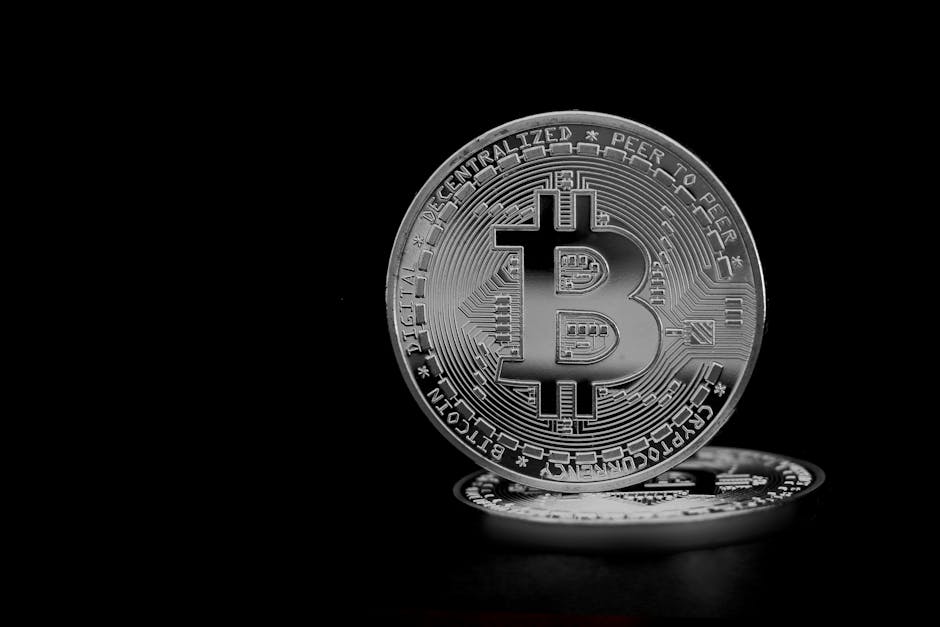
TL;DR: Tether, the issuer of the world's largest stablecoin USDT, concluded 2025 with a massive acquisition of 8,888 Bitcoins, propelling its total holdings past 96,000 BTC. This significant purchase cements Tether's position as the fifth-largest Bitcoin wallet globally, signaling a profound institutional commitment to the digital asset and potentially influencing broader market dynamics.
The Silent Accumulation: Tether's Ascendant Bitcoin Bet
In the often-turbulent world of cryptocurrency, where market sentiment can shift on a dime and fortunes are made and lost with dizzying speed, one entity has been quietly, yet assertively, cementing its position as a major player in the Bitcoin arena. Tether, the company behind USDT, the globe's most widely used stablecoin, closed out 2025 with an emphatic statement: acquiring another 8,888 Bitcoins.
This substantial purchase, valued in the hundreds of millions depending on the exact price point at the time of transaction, pushed Tether's total disclosed Bitcoin reserves beyond an astonishing 96,000 BTC. The implications are far-reaching, not least of which is Tether's new standing as the fifth-largest single Bitcoin wallet on the planet, according to publicly available blockchain data and analysis platforms.
For a company primarily known for its dollar-pegged stablecoin, USDT, this aggressive accumulation of Bitcoin speaks volumes about its long-term strategy and conviction in the world's premier digital asset. It's a move that transcends mere financial speculation; it signals a fundamental shift in how one of crypto's most influential entities views its own reserve strategy and its role within the evolving digital economy.
Beyond the Numbers: Understanding Tether's Motive
Why would a stablecoin issuer, whose primary business model hinges on maintaining a 1:1 peg with fiat currencies, amass such a colossal amount of a volatile asset like Bitcoin? The answer lies in a multi-faceted approach to risk management, reserve diversification, and a deep-seated belief in Bitcoin's future as a store of value.
Traditionally, stablecoin reserves are expected to be held in highly liquid, low-risk assets like cash, cash equivalents, and short-term government securities. While Tether still maintains a significant portion of its reserves in these traditional instruments, as detailed in their regular assurance reports, the inclusion and rapid growth of Bitcoin holdings represent a strategic pivot. According to a recent analysis by Reuters, increasing exposure to Bitcoin could be seen as a hedge against inflation and a means to generate additional yield on their extensive reserve portfolio, ultimately strengthening the backing of USDT.
Tether has publicly stated its intention to allocate a portion of its operating profits into Bitcoin. This isn't just about diversification; it's about aligning Tether's own balance sheet with what many in the industry consider digital gold. By holding Bitcoin, Tether potentially positions itself to benefit from Bitcoin's long-term appreciation, which could further bolster its financial stability and capacity to absorb market shocks.
The Weight of Being Number Five
Becoming the fifth-largest Bitcoin wallet isn't just a vanity metric. It places Tether in an exclusive club, rubbing shoulders with major exchanges, institutional custodians, and the enigmatic creator of Bitcoin, Satoshi Nakamoto, whose wallets remain untouched. This position grants Tether an immense, albeit passive, influence over the Bitcoin market.
While Tether's holdings are substantial, it's crucial to understand that these aren't merely speculative funds waiting to be dumped on the market. These are strategic reserves, held with a long-term outlook. However, any significant move from such a large holder, even a minor rebalancing, could send ripples across the market, influencing price action and investor sentiment. This adds a layer of scrutiny and responsibility to Tether's actions.
The accumulation also signals confidence to the broader market. When a company with such deep insight into crypto liquidity and market mechanics makes such a large commitment to Bitcoin, it tends to instill confidence among other institutional players and even retail investors. As CNN reported extensively during the Bitcoin ETF approval cycle, institutional validation remains a critical driver for broader cryptocurrency adoption and price stability.
Context and Controversy: Tether's Journey
Tether's journey hasn't been without its controversies. For years, skepticism surrounded the full backing of USDT, leading to regulatory scrutiny and demands for greater transparency. However, in recent years, Tether has made strides in providing more regular and comprehensive attestation reports, detailing its reserves. These reports, often audited by independent accounting firms, have shown a consistent and diverse asset base backing USDT, including traditional financial instruments alongside its growing Bitcoin stash.
This transparency, coupled with its market dominance – USDT often facilitates the majority of trading volume across exchanges – has allowed Tether to navigate these challenges and solidify its position. The decision to invest heavily in Bitcoin, a transparent and immutable asset, could also be seen as a move to further de-risk its reserves from the traditional financial system, as noted by observers cited by the BBC's technology desk.
What This Means for Bitcoin and the Wider Market
Tether's escalating Bitcoin holdings underscore a broader trend: the increasing institutionalization of Bitcoin. As more corporations, investment funds, and now, major stablecoin issuers, add Bitcoin to their balance sheets, it strengthens the asset's position as a legitimate and significant global financial instrument. This institutional demand creates a powerful buy-side pressure that can contribute to long-term price appreciation and stability.
Moreover, it highlights the interconnectedness of the crypto ecosystem. A stablecoin issuer, designed to bridge fiat and crypto, is now one of the largest holders of the very asset it helps facilitate trading for. This symbiotic relationship could further intertwine the fates of stablecoins and flagship cryptocurrencies, making the entire digital asset landscape more robust, yet also more complex.
Looking ahead, Tether's strategy will be keenly watched. Its continued accumulation, or any decision to sell, will undoubtedly be a major talking point in crypto circles. As the market matures and regulatory frameworks evolve, the actions of giants like Tether will play an increasingly pivotal role in shaping the trajectory of Bitcoin and the wider digital economy. This recent acquisition is not just another purchase; it's a marker of a significant, ongoing institutional embrace of Bitcoin.
PPL News Live Editorial Note:
Tether's move into the top tier of Bitcoin holders is more than just a headline; it's a testament to the evolving nature of digital finance. It underscores a growing belief among even the most conservative crypto players in Bitcoin's long-term value, moving it further from speculative curiosity and closer to an established asset class. We're witnessing a recalibration of reserve strategies on a scale that few could have predicted just a few years ago. This isn't just about one company's balance sheet; it's about the very foundations of how digital wealth is being constructed and secured in the 21st century. Keep watching this space – the ripple effects are only just beginning.
Edited by: Editorial Desk
Sources
- Reuters
- Associated Press (AP)
- AFP
- BBC News
Published by PPL News Live Editorial Desk.