
TL;DR: Indonesian authorities are urgently searching for hundreds of people still missing after devastating floods and landslides ravaged Sumatra. The confirmed death toll has exceeded 440, with rescue operations hampered by challenging terrain and continued adverse weather. The disaster underscores Indonesia's vulnerability to extreme weather events and highlights the critical need for robust disaster preparedness and response mechanisms.
Introduction
Indonesia is grappling with the grim aftermath of a series of catastrophic floods and landslides that have swept across the island of Sumatra. As rescue teams brave treacherous conditions, the focus remains acutely on the search for hundreds of individuals reported missing. This unfolding tragedy has already claimed over 440 lives, a figure that relief agencies fear could rise significantly as search efforts penetrate more remote and devastated areas. The scale of the disaster is immense, challenging local and national resources and bringing the country's vulnerability to extreme weather into sharp relief.
Key Developments
The situation in Sumatra remains highly critical. Emergency services, supported by military personnel and volunteers, are working tirelessly to locate those unaccounted for. Reports indicate that several communities, particularly in highland and riverside areas, were caught completely off guard by the sudden deluges and cascading mudslides. Infrastructure damage, including collapsed bridges and impassable roads, continues to impede access to some of the hardest-hit locations, complicating both search-and-rescue missions and the delivery of vital humanitarian aid.
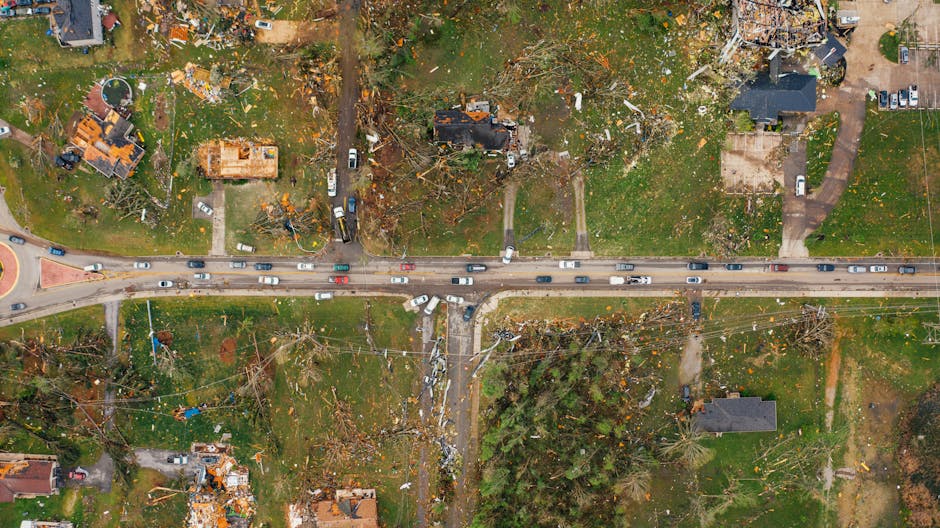
The confirmed death toll has tragically surpassed 440, according to government statements. This number represents a stark increase and is a testament to the sheer force and destructive power of the floods. For every life lost, countless families are left grieving, while many more cling to hope for their missing loved ones. Aerial surveys are being conducted where possible, offering a wider perspective on the extent of the damage, but on-the-ground searches remain paramount, often involving manual digging through debris and mud.
Relief camps have been established to shelter the thousands displaced by the disaster. These camps are facing immediate challenges in providing adequate food, clean water, and medical supplies to a population traumatized and vulnerable. Psychosocial support is also becoming an increasing necessity for survivors, many of whom have lost homes, livelihoods, and family members.
Background
Indonesia, an archipelago nation situated on the Pacific Ring of Fire, is no stranger to natural disasters. Its geography makes it acutely susceptible to earthquakes, volcanic eruptions, tsunamis, and, significantly, monsoonal rains. The annual rainy season often brings localized flooding, but recent years have seen an alarming increase in the intensity and frequency of extreme weather events, which many scientists attribute to climate change.
Sumatra, one of the largest islands in Indonesia, features diverse topography, including vast rainforests, towering volcanoes, and extensive river systems. While these features contribute to its rich biodiversity, they also present unique challenges during periods of heavy rainfall. Deforestation in some regions, often linked to agricultural expansion and logging, can exacerbate the impact of heavy rains, leading to increased soil erosion and a higher risk of devastating landslides.
The current disaster follows a pattern of increasingly severe weather incidents across the region. The confluence of heavy rainfall, saturated ground, and in some areas, environmental degradation, creates a perfect storm for the kind of widespread devastation now being witnessed in Sumatra. The preparedness of local communities and the robustness of early warning systems are perpetually tested in such environments.
Quick Analysis
The ongoing tragedy in Sumatra highlights several critical aspects of disaster response and resilience. Firstly, the sheer number of missing persons underscores the rapid and overwhelming nature of the floods and landslides, leaving little time for evacuation. Many residents were likely asleep or unable to react effectively to the sudden onslaught.
Secondly, the logistical challenges are immense. Indonesia's geography, with its fragmented islands and often undeveloped infrastructure in rural areas, means that reaching affected populations quickly is always a race against time and terrain. Damaged roads and bridges not only slow rescue efforts but also delay the arrival of essential aid, potentially leading to secondary crises like disease outbreaks in crowded shelters.
Finally, the human toll extends far beyond the immediate fatalities and injuries. Thousands are now displaced, their homes destroyed, their livelihoods shattered. The long-term recovery effort will require significant resources and sustained commitment, not only from the Indonesian government but also from international humanitarian organizations. This incident serves as a stark reminder of the continuous need for investment in resilient infrastructure, effective early warning systems, and community-level disaster preparedness education.
What’s Next
In the immediate future, search and rescue operations will remain the top priority. Authorities are likely to deploy additional resources, including specialized teams and heavy equipment, as weather conditions permit. As more areas become accessible, the full extent of the devastation, and tragically, the updated count of fatalities and missing persons, will become clearer.
Beyond the immediate emergency, the focus will shift towards humanitarian aid and long-term recovery. This includes providing sustainable shelter, food security, and healthcare to displaced communities. Rebuilding damaged infrastructure will be a monumental task, crucial for restoring normalcy and economic activity. Furthermore, there will undoubtedly be a period of assessment and review, examining the effectiveness of current disaster mitigation strategies and identifying areas for improvement, particularly concerning early warning systems and land-use planning in high-risk zones.
FAQs
Q: Where exactly did the floods occur in Sumatra?
A: The devastating floods and landslides have primarily affected several provinces across Sumatra, with specific impacts varying by region. Official reports detail extensive damage in highland and riverside communities.
Q: What caused these deadly floods and landslides?
A: The floods and landslides were triggered by exceptionally heavy rainfall, characteristic of the region's monsoon season but intensified by factors possibly linked to climate change. Saturated ground and, in some areas, deforestation contributed to the severity of the landslides.
Q: How many people are confirmed dead, and how many are missing?
A: As of the latest reports, the confirmed death toll has exceeded 440. Hundreds more are officially reported missing, and search operations are ongoing amidst challenging conditions.
Q: What are the biggest challenges for rescue teams?
A: Rescue teams face significant challenges including severely damaged infrastructure, making access to remote areas difficult. Adverse weather conditions, unstable terrain, and the sheer volume of mud and debris also complicate search efforts.
Q: How can I help the affected communities?
A: International and local aid organizations are on the ground providing assistance. Donating to reputable humanitarian charities that specialize in disaster relief in Indonesia is often the most effective way to contribute to the recovery efforts.
PPL News Insight
The tragedy unfolding in Sumatra is a sobering reminder of humanity's increasing vulnerability to the wrath of nature, often exacerbated by climate change and, at times, unsustainable land use. While Indonesia has robust experience in disaster response, the sheer scale and frequency of these events test even the most resilient systems. The search for the missing is more than a logistical challenge; it's a profound human endeavor, reflecting the collective hope and despair of a nation. This incident must serve as a catalyst for renewed efforts in proactive disaster risk reduction, including investing in resilient infrastructure, enforcing stricter environmental protection laws, and bolstering community-level early warning systems. The global community also has a role to play, offering support not just in immediate relief, but in sustainable development that strengthens local capacities to withstand future shocks. The lives lost and the hundreds still missing are a poignant call to action for a more prepared and environmentally conscious future.
Sources
Article reviewed with AI assistance and edited by PPL News Live.